

Añejo Tequila
Añejo means “aged.” Añejo tequila spends one to three years in oak barrels of 600 liters or less, which makes it darker and richer, with caramel, vanilla and oak. Most people sip it neat or over one large cube.
Best Añejo Tequila
Our picks from the añejos people search for most.
-
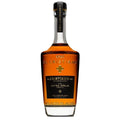
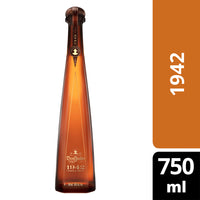
Most popular Don Julio 1942 Tequila Añejo $139.99
Añejo made from agave grown six to ten years. Vanilla, chocolate, caramel and oak.
-
Best additive-free El Tesoro Añejo $73.99
Two to three years in ex-bourbon barrels. Sweet agave, jasmine and soft vanilla.
-
Long-aged Cincoro Añejo Tequila $103.99
24 to 28 months in ex-Tennessee whiskey barrels. Toasted oak and maple.
-
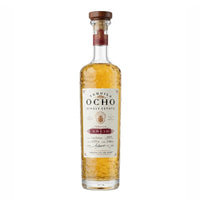
Single estate Tequila Ocho Single Estate Añejo Las Raíces 2024 $107.99
From one high-altitude Los Altos ranch, bottled at 54.5% ABV.

About Añejo Tequila
Añejo must age at least one year in barrels of 600 liters or less. Most producers use ex-bourbon American oak; some use French oak, wine or whiskey casks. Longer aging trades bright agave for caramel, vanilla, dried fruit and spice. Past three years, the tequila becomes extra añejo.
Read the full añejo guide
Historical Development and Regulatory Framework
The Consejo Regulador del Tequila (CRT) formalized the añejo category in the 1960s as part of broader efforts to define and protect tequila's identity. The regulations specify a minimum aging period of twelve months in oak containers not exceeding 600 liters, though most producers use standard 200-liter barrels. The upper limit of three years distinguishes añejo from extra añejo, which begins at thirty-six months. Prior to these classifications, aged tequila existed as informal expressions often labeled simply as "aged" or "old," with little consistency in maturation length or method.
The category grew slowly until the 1990s, when premium tequila began gaining international traction beyond the margarita market. Distillers in Jalisco's highlands and lowlands each developed distinct añejo styles reflecting their regional terroir. Highland añejos typically showcase more floral and citrus notes beneath the oak, while lowland expressions lean earthier and more herbaceous. The barrel itself became a point of innovation: some houses began finishing añejo in cognac casks, port pipes, or rum barrels, creating layered flavor profiles that pushed the boundaries of traditional tequila character.
Production Method and Maturation
Añejo production begins identically to other tequila styles: harvesting mature blue Weber agave, cooking the piñas to convert starches to fermentable sugars, fermenting the aguamiel, and distilling twice in copper pot stills or column stills. The liquid enters barrels at proof levels typically between 110 and 120, then rests in temperature-controlled warehouses or traditional stone facilities. Mexico's climate accelerates aging compared to Scotland or Kentucky—the angel's share can reach 8-12% annually in some regions, concentrating flavors but requiring careful monitoring to prevent over-oaking.
Barrel selection determines much of the final profile. Ex-bourbon barrels dominate due to availability and the complementary vanilla-caramel notes they impart. Some producers char barrels more heavily to accelerate extraction, while others prefer wine-seasoned oak for fruit-forward complexity. A handful of distillers age different batches in varied wood types, then marry them before bottling to achieve house style consistency. The master distiller's role becomes crucial during añejo maturation: regular tasting determines when a barrel has reached ideal balance, as agave character must remain discernible beneath oak influence.
Flavor Profile and Sensory Characteristics
The añejo spectrum runs from pale gold to deep amber, with color intensity often indicating barrel char level and proof rather than age alone. Aromatic profiles layer cooked agave sweetness—honey, roasted pineapple, brown sugar—with oak-derived vanilla, cinnamon, and nutmeg. Some expressions develop chocolate, dried fruit, or tobacco notes depending on barrel history and distillation cuts. The palate typically carries medium to full body, with oak tannins providing structure while residual agave sugars offer balancing sweetness.
Finish length varies by proof and barrel treatment. Higher-proof añejos carry more heat and persistence, often revealing black pepper or clove on the back palate. Lower-proof expressions finish softer, emphasizing caramel and baked agave. Well-made añejo maintains clear agave identity—if you cannot taste the plant beneath the wood, the spirit has either aged too long or used overly aggressive cooperage. The best examples achieve symbiosis: oak enhances rather than masks, adding dimension while respecting the base material's essential character.
Buying Considerations and Label Reading
Age statements on añejo bottles indicate minimum time in barrel, not average or maximum—a "15-month añejo" spent at least fifteen months in oak, though some liquid in the batch may have aged longer. The term "100% agave" remains critical: mixto tequilas, which contain up to 49% non-agave sugars, can also be aged and labeled añejo, but these lack the depth and authenticity of pure agave expressions. NOM numbers on labels identify the distillery of origin; some contract facilities produce añejo for multiple brands with varying quality levels.
Proof matters more in añejo than in blanco or reposado. Standard bottling strength sits at 80 proof (40% ABV), offering accessible sipping character. Higher-proof releases at 84, 86, or even 90 proof deliver more intensity and aromatic complexity, though they may require a few drops of water to open fully. Some producers bottle at cask strength, typically 100-110 proof, for enthusiasts seeking maximum flavor concentration. Presentation also signals intent: hand-blown decanters and elaborate packaging usually indicate luxury pricing aimed at collectors or gifting, while simpler bottles often house quality liquid at better value.
Serving and Application
Añejo works best at room temperature in a snifter, copita, or short tumbler that concentrates aromatics. Chilling mutes the oak complexity and agave nuance that justify the category's price premium. Unlike blanco tequila, añejo rarely appears in citrus-forward cocktails—the lime or grapefruit overwhelms the subtle barrel notes. It functions well in spirit-forward builds: Old Fashioneds, Manhattans, or simple Añejo-and-soda constructions that stretch the bottle while respecting its character.
Most añejo consumption happens neat, often after dinner when its sweetness and warmth suit the contemplative pace of digestif service. The category sits price-wise between entry-level reposado and ultra-premium extra añejo, making it accessible for regular sipping while maintaining occasion-worthy gravitas. Pairing works with desserts that echo the spirit's caramel and spice notes—flan, tres leches cake, dark chocolate—or with rich cheeses and charcuterie that match its body and tannin structure. Some highland añejos show enough floral lift to accompany fruit-based desserts, while earthy lowland expressions pair well with savory applications.
More Añejo People Search For
- Don Julio 1942 Peggy Gou Añejo
- Senor Artesano Añejo
- Patron Gran Burdeos Añejo
- Patron Añejo
- Viva Mexico Añejo
- Cincoro Añejo
- 1800 Añejo Tequila
- Tequila Ocho Anejo Aged in Old Fitzgerald Bourbon Barrels
- El Tesoro Mundial Collection Anejo Straight Rye Cask (Knob Creek Edition)
- Chinaco Añejo
- Milagro Tequila Añejo
- Milagro Añejo Select Barrel reserve
- Atanasio Tequila Añejo
- Alma del Jaguar Añejo
Frequently Asked Questions
What is the meaning of añejo?
Añejo is Spanish for “aged.” On a tequila label it means the tequila aged at least one year, and less than three, in oak barrels of 600 liters or less.
How long is añejo tequila aged?
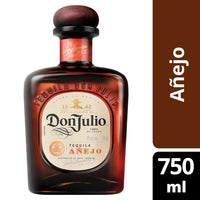
One to three years. Don Julio Añejo ages eighteen months; El Tesoro Añejo ages two to three years; Cincoro Añejo ages 24 to 28 months.
What is the difference between añejo and reposado?
Time in the barrel. Reposado rests two to twelve months; añejo ages one to three years, so it’s darker, oakier and usually sipped neat.
What is the difference between añejo and extra añejo?
Extra añejo ages three years or more. It’s richer and more expensive, because more tequila evaporates from the barrel each year.
What is the best añejo tequila?
Don Julio 1942 is the most searched. El Tesoro Añejo is a verified additive-free favorite, and Lunazul Añejo ($34.99) is a strong value.
How do you drink añejo tequila?
Neat in a snifter or copita, or over one large cube. It also works in a Tequila Old Fashioned.
Is añejo tequila good for margaritas?
It works, but the oak can mute the lime. Most margaritas use blanco or reposado.
How much does añejo tequila cost?
Most añejos we carry cost $35 to $110. Lunazul Añejo is $34.99; Don Julio 1942 is $139.99.