Production Method and Agave Sourcing
Patrón operates the Hacienda Patrón distillery in Atotonilco el Alto, situated in the Los Altos highlands region of Jalisco at approximately 7,000 feet elevation. The brand sources mature Weber Blue agave from both highland and lowland regions, harvesting plants between seven and ten years of age when sugar content peaks. Highland agave tends to produce sweeter, more floral notes, while lowland agave contributes earthier, more vegetal characteristics. By blending juice from both terroirs, Patrón achieves a balanced flavor profile across its range.
The production process begins with traditional tahona extraction for a portion of each batch. A two-ton volcanic stone wheel crushes cooked agave, breaking down fibers to release sugars and aromatic compounds. The remaining agave goes through a modern roller mill for efficiency. Patrón ferments the combined juice in wooden tanks using proprietary yeast strains, then conducts double distillation in small copper pot stills. The first distillation yields ordinario at roughly 25% alcohol, and the second distillation produces the final spirit. Distillers make precise cuts during the second distillation, separating heads and tails to retain only the heart of the run.
Core Expression Categories
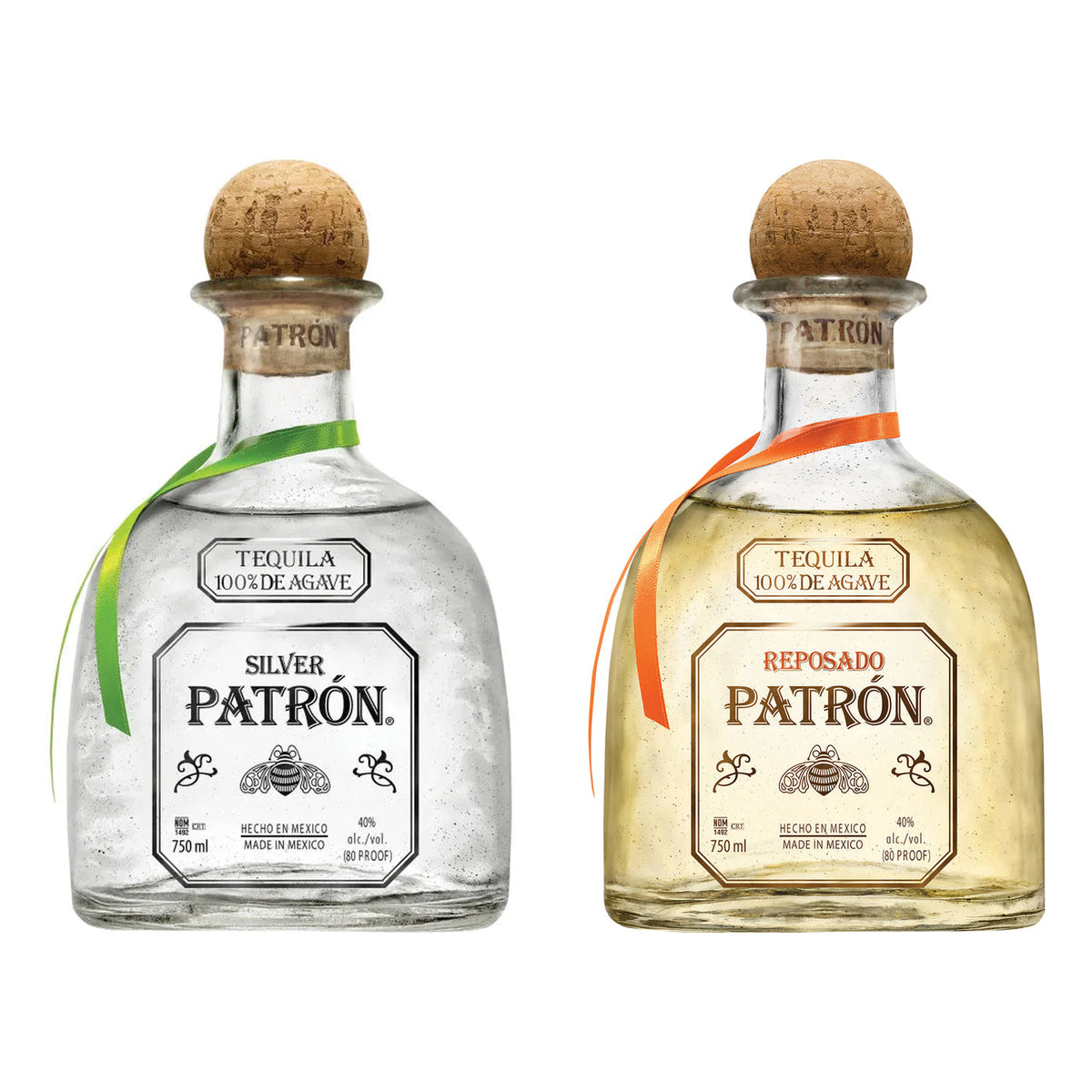
Patrón organizes its permanent lineup into standard age classifications recognized across the tequila industry. Blanco tequila represents unaged spirit, rested briefly in stainless steel tanks to allow flavors to marry before bottling. This expression displays the most direct agave character, with bright citrus, pepper, and herbal notes. Blanco serves as the foundation for cocktails and offers a clear benchmark for evaluating the distillery's base spirit quality.
Reposado tequila rests in oak barrels for a minimum of two months, though many producers extend aging to six or eight months. Oak contact introduces vanilla, caramel, and light spice notes while softening the spirit's sharper edges. The wood influence remains subtle enough to preserve agave character. Añejo tequila ages for a minimum of one year, typically in ex-bourbon barrels, developing deeper amber color and richer flavors of toffee, dried fruit, and baking spices. Some producers also release extra añejo tequila, aged at least three years, which approaches the complexity of aged cognac or whiskey.
Evaluating Quality and Value in Premium Tequila
When selecting tequila at higher price points, verify the bottle states "100% agave" or "100% de agave." This designation confirms no added sugars or neutral spirits diluted the product, a practice allowed in mixto tequilas containing as little as 51% agave. Premium expressions should list their NOM number—the unique identifier for the distillery where production occurred—allowing buyers to trace origin and verify authenticity.
Examine the label for production details such as distillation method, aging duration, and batch information. Traditional production markers include tahona crushing, copper pot distillation, and specific barrel types for aged expressions. Highlands versus lowlands agave sourcing influences flavor profile, with highlands generally producing sweeter, more fruit-forward spirits. Transparency about these factors signals a producer's commitment to quality and helps buyers make informed comparisons across brands.
Bottle presentation should never substitute for liquid quality, but ultra-premium tequila producers typically invest in distinctive packaging that reflects their production costs. Hand-blown glass, ceramic decanters, or uniquely shaped bottles indicate higher price positioning, though the correlation between packaging expense and spirit quality varies widely. Focus evaluation on production transparency, verified age statements, and clear sourcing information rather than aesthetic considerations.
Regional Context and Highland Character
Los Altos de Jalisco produces tequila with notably different characteristics than lowland regions like the Tequila Valley surrounding the town of Tequila. The highland's volcanic soil, cooler temperatures, and higher elevation stress agave plants, concentrating sugars and aromatic compounds. Highland tequilas typically display pronounced fruity and floral notes—white pepper, citrus peel, and sometimes stone fruit or tropical fruit nuances—with a rounder, slightly sweeter mouthfeel.
This regional expression aligns with broader trends in premium spirits, where terroir and provenance increasingly matter to educated consumers. Just as single malt Scotch enthusiasts recognize regional styles from Islay versus Speyside, tequila drinkers can identify highland versus lowland character. Understanding these regional distinctions helps buyers select expressions matching their flavor preferences and provides context for evaluating different brands' house styles.
The Ultra-Premium Tequila Category
Patrón's commercial success in the 1990s and 2000s established the ultra-premium tequila segment, demonstrating sustainable demand for tequila priced above traditional categories. This shift encouraged investment in agave cultivation, distillery infrastructure, and production quality across Jalisco. Brands like Clase Azul, Casamigos, and Komos subsequently entered the market, each emphasizing craft production and premium positioning.
The category's growth also expanded interest in related agave spirits. Mezcal, produced from various agave species beyond Weber Blue and typically made using more artisanal methods, gained significant market share among consumers seeking authenticity and regional diversity. Cristalino expressions—aged tequilas filtered to remove color while retaining oak-derived flavors—represent another innovation within the premium segment, appealing to drinkers who want añejo complexity with blanco's visual clarity.