History and Geographic Origin
Tequila production traces back to the 16th century when Spanish colonists applied European distillation techniques to fermented agave beverages indigenous communities had made for centuries. The town of Tequila in Jalisco became the epicenter of commercial production by the 1700s. The spirit earned denomination of origin status in 1974, legally restricting production to five Mexican states: Jalisco (where most distilleries operate), plus portions of Guanajuato, Michoacán, Nayarit, and Tamaulipas. The volcanic soil and climate in the highlands and lowlands of Jalisco produce agave with distinct characteristics. Highland agave typically yields sweeter, more floral flavors, while lowland agave tends toward earthier, more herbaceous profiles. This terroir influence makes regional origin a meaningful factor when evaluating tequila.
The industry transformed in the late 20th century as international demand grew and quality standards improved. Traditional tahona mills (large stone wheels) gave way to roller mills and diffusers in many facilities, though some producers maintain ancestral methods. The shift toward 100% agave tequilas accelerated in the 1990s, moving away from mixto products that incorporate non-agave sugars. Today the category spans family-owned distilleries operating since the 1800s and newer operations pursuing innovative techniques while respecting regulatory frameworks established by the Consejo Regulador del Tequila.
Production Methods and Agave Processing
Blue Weber agave plants require years of cultivation before harvest. Jimadores (agave farmers) remove the spiky leaves to expose the piña, the heart of the plant weighing 40-90 pounds on average. Piñas are transported to distilleries where they undergo cooking to break down complex carbohydrates into fermentable sugars. Traditional methods use stone or brick ovens (hornos) that cook agave slowly over 24-48 hours, developing rich, caramelized flavors. Autoclave cooking applies steam pressure for faster processing, typically 8-12 hours, resulting in cleaner but less complex flavor extraction. Some producers use diffusers that extract sugars from raw agave using hot water, a industrial method that reduces cooking time but often produces lighter, less expressive spirits.
After cooking, the agave is crushed to extract juice (aguamiel). This juice ferments with natural or commercial yeasts for 2-5 days, converting sugars to alcohol and developing flavor compounds. Distillation occurs in copper pot stills or stainless steel column stills, with most tequilas distilled twice. The first distillation (ordinario) yields a low-proof spirit around 20-30% alcohol. The second distillation concentrates alcohol to 55-75% and requires careful separation of heads, hearts, and tails to isolate the cleanest spirit. Distillers make critical decisions about cuts that define the house style. The resulting clear spirit either bottles immediately as blanco or enters oak barrels for aging.
Understanding Tequila Classifications
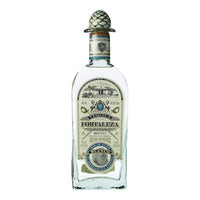
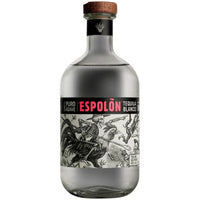
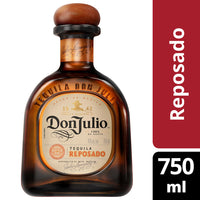
Mexican regulations establish clear aging requirements that determine tequila classification. Blanco or silver tequila may rest in stainless steel or neutral containers up to 60 days, preserving the direct expression of cooked agave—expect notes of citrus, pepper, and herbaceous vegetal character. Joven or gold tequila blends blanco with aged tequila or adds coloring and flavoring, a category more common in mixto products than premium 100% agave expressions. Reposado rests in oak barrels (often ex-bourbon barrels) for two to twelve months, softening sharp edges and introducing vanilla, caramel, and light spice while maintaining agave presence. Bottle labels stating reposado aged closer to two months show more blanco character, while those approaching twelve months share traits with añejo.
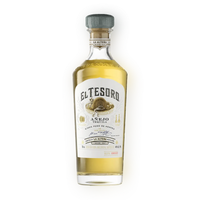
Añejo tequila ages one to three years in barrels no larger than 600 liters, developing significant oak influence with butterscotch, dried fruit, baking spice, and sometimes tobacco notes. The agave becomes more subdued as wood tannins and oxidation reshape the flavor profile. Extra añejo ages beyond three years, often in carefully selected barrels, achieving complexity that invites comparison to aged cognac or bourbon. These ultra-aged expressions command higher prices and suit contemplative sipping. Cristalino is a newer category where producers filter añejo or extra añejo through charcoal to remove color while retaining some barrel influence, creating a clear spirit with aged character—a technique that divides traditionalists and innovators.
Buying Guidance and Label Reading
When selecting tequila, verify the label states "100% agave" or "100% puro de agave." Products without this designation are mixto tequilas containing only 51% agave sugars, with the remainder from cane sugar or corn syrup. These deliver less authentic flavor and rougher finishes. The NOM number on every bottle identifies the distillery where production occurred—some distilleries produce tequila for multiple brands, so different labels may share production facilities and techniques. Researching NOM numbers reveals production relationships that explain similarities between seemingly unrelated brands.
Consider intended use when choosing aging categories. Blanco works best in cocktails where bright agave character cuts through citrus and sweeteners—margaritas, palomas, and ranch waters showcase blanco effectively. Reposado bridges cocktails and sipping, offering enough agave brightness for mixed drinks while providing sufficient complexity for neat pours. Añejo and extra añejo suit slow sipping, often after dinner or as alternatives to aged spirits like whiskey. If exploring mezcal, note that while both are agave spirits, mezcal permits various agave species and typically uses underground pit-roasting, yielding distinctly smoky profiles compared to tequila's cleaner presentation. Proof matters: most tequilas bottle at 40% alcohol (80 proof), but some reach 43-50% for greater intensity and mouthfeel.
Serving and Storage Practices
Proper glassware enhances tequila appreciation. While blanco often appears in cocktails served in rocks glasses or coupes, neat pours benefit from narrow-mouthed glasses like copitas (traditional tequila glasses) or Glencairn-style whiskey glasses that concentrate aromatics. Avoid shooting aged tequilas—the practice wastes the complexity that barrel maturation develops. Instead, sip slowly and let the spirit rest on the palate to identify layers of flavor. Serving temperature affects perception: slightly chilled blanco (60-65°F) softens alcohol heat while preserving bright notes, whereas añejo and extra añejo perform best at room temperature (65-70°F) to release volatile aromatics.
Store unopened bottles upright in cool, dark locations away from direct sunlight and temperature fluctuations. Unlike wine, tequila does not improve in the bottle after packaging—aging occurs exclusively in barrels before bottling. Once opened, tequila remains stable for years if kept sealed, though oxidation gradually mutes aromatics in bottles with significant headspace. Consume opened bottles within 1-2 years for optimal flavor, especially for blanco expressions where fresh agave character defines quality. Añejo and extra añejo tolerate oxygen exposure better due to existing oxidation from barrel aging. If exploring other agave spirits or complementary categories, rum shares some production parallels involving fermented plant sugars and barrel aging, while gin and vodka offer contrasting neutral or botanical-forward profiles.