Blanco Tequila
Blanco tequila, also called silver or plata, is bottled unaged or rested less than two months. It’s the purest taste of agave: bright, peppery and citrusy, and the classic choice for margaritas and Palomas.
Best Blanco Tequila
Our picks from the blancos people search for most.
-
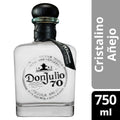
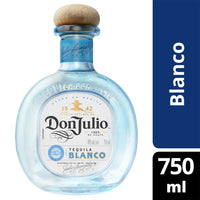
Most popular Don Julio Blanco Tequila $51.99
Copper pot stills. Crisp agave with lemon, lime and grapefruit.
-
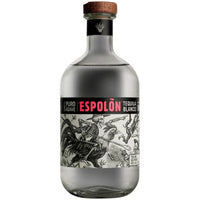
Best for margaritas Espolon Blanco Tequila $28.99
Clean, bright agave and citrus. Built for cocktails.
-
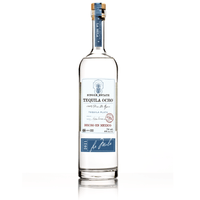
Best additive-free Tequila Ocho Plata $39.99
Brick ovens and natural fermentation. Honey, herbs, white pepper and citrus.
-
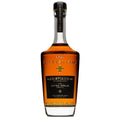
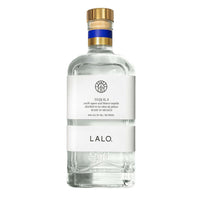
Small batch LALO Blanco Tequila $43.99
Just agave, deep-well water and champagne yeast. No additives, no aging.

Best Blanco Tequila for Margaritas
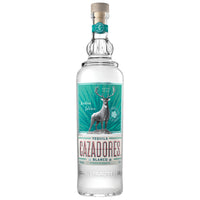
A margarita needs bright agave and citrus that stand up to lime. Espolòn$28.99 and Cazadores$24.99 are affordable workhorses; Tequila Ocho Plata$39.99 and LALO$43.99 make a cleaner, more agave-forward drink. Look for “100% de agave” on the label.
About Blanco Tequila
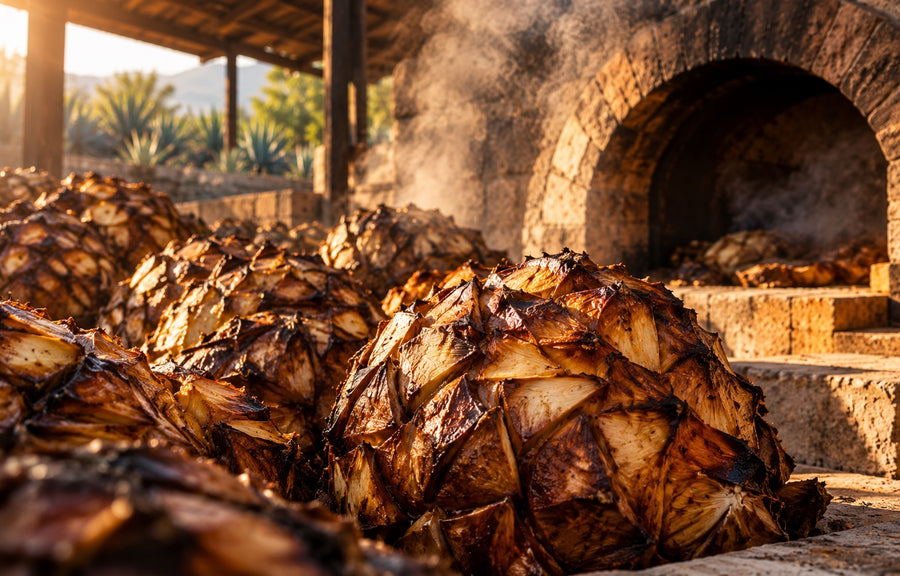
Blanco shows what the agave and the distillery taste like before oak gets involved. The piñas are cooked, crushed, fermented and distilled, then bottled right away or rested in steel or oak for under two months. Traditional brick ovens and stone tahonas, used by brands like Tequila Ocho and Fortaleza, give a sweeter, more cooked-agave taste than modern diffusers.
Read the full blanco guide
Historical Development and Regulatory Framework
Tequila production traces its roots to 16th-century Jalisco, where Spanish colonists adapted indigenous pulque fermentation techniques to distilled spirits using cultivated agave. The modern regulatory framework established by the Consejo Regulador del Tequila mandates that all tequila contain at least 51% blue Weber agave sugars, though premium 100% agave expressions have dominated quality-focused markets since the 1990s. Blanco serves as the foundation category, required by law to rest no more than 60 days in neutral containers before bottling, ensuring transparency in both production quality and raw material character.
Geographic denominations within the appellation create distinct flavor profiles: Los Altos (highlands) agave typically yields sweeter, more floral spirits with pronounced fruit notes, while valley-grown agave from the Tequila municipality and surrounding lowlands produces earthier, more herbaceous blancos with prominent mineral and vegetal qualities. These terroir differences remain most apparent in unaged expressions, making blanco the truest indicator of a distillery's agave sourcing and production philosophy.
Production Methods and Quality Indicators
The blanco production pathway begins with agave harvest, ideally from plants aged seven to ten years when sugar concentration peaks. Traditional producers cook whole piñas in stone or brick hornos for 24 to 72 hours, developing caramelized sugars and complex aromatics, while industrial operations favor autoclave cooking that completes in 8 to 12 hours with cleaner but less nuanced results. Fermentation length similarly impacts final character: extended wild-yeast fermentations of five to seven days create layered flavors, whereas commercial yeast strains complete conversion in 48 hours with more predictable outcomes.
Distillation technique further divides the category. Copper pot stills, whether traditional alambique or Scottish-style, retain heavier congeners and fuller mouthfeel but require skilled cuts to avoid off-notes. Column stills produce lighter, more neutral spirits that emphasize agave sweetness over complexity. Many premium producers employ double distillation in pot stills, while some ultra-premium brands distill three times for extreme clarity. Label reading reveals these choices: "100% agave" confirms no added cane spirit, NOM numbers trace production to specific distilleries, and terms like "horno-cooked" or "tahona-crushed" signal traditional methods.
Flavor Architecture and Tasting Characteristics
Blanco tequila's flavor profile divides into several recognizable camps. Citrus-forward expressions emphasize lime zest, grapefruit pith, and lemongrass, typically from highland agave or column distillation. Peppery blancos showcase black pepper, jalapeño, and white pepper heat, often indicating pot-still production or valley terroir. Herbal examples foreground mint, basil, eucalyptus, and fresh-cut grass, while earthy styles deliver wet stone, clay, and roasted agave char. Sweet vanilla and tropical fruit notes appear in some highlands-sourced blancos, though wood influence remains minimal by regulation.
Mouthfeel varies from viscous and oily in pot-distilled examples to crisp and astringent in column-distilled versions. Proof level affects perception: 80-proof blancos drink softer and more approachable, while 90-to-100-proof releases amplify intensity and complexity. Finish length and aftertaste quality separate premium from value offerings—top-tier blancos leave clean agave sweetness rather than ethanol burn or chemical notes. Serious evaluation benefits from nosing the spirit at room temperature before tasting neat, then adding drops of water to open aromatics.
Cocktail Applications and Culinary Pairing
Blanco's clean agave profile and structural backbone make it the default choice for classic cocktails where tequila character must shine through citrus and sweetener. The margarita relies on blanco's ability to balance lime acidity without oak tannins muddying the blend. Palomas pair blanco with grapefruit for refreshing bitterness, while ranch waters combine it with lime and mineral water for low-proof sessionability. More spirit-forward serves like the tequila martini or old fashioned benefit from fuller-bodied pot-distilled blancos that can stand alongside vermouth or bitters.
Food pairing exploits blanco's vegetal and citrus qualities to complement rather than compete. Ceviche and raw seafood match the spirit's brightness and acidity. Grilled white fish with cilantro takes advantage of herbal parallels. Soft cheeses, particularly fresh queso fresco or aged manchego, provide fat to soften alcohol heat while echoing minerality. Spicy preparations benefit from blanco's cooling citrus notes, making it suitable alongside salsa verde, pickled jalapeños, or chile-forward moles. Avoid heavily smoked or sweet dishes that overpower delicate agave nuance.
Selection Criteria and Storage Guidance
Choosing blanco tequila begins with intended use. Cocktail mixing permits wider price tolerance since citrus and ice dilute subtlety, though 100% agave remains advisable to avoid harsh mixto off-flavors. Neat sipping demands attention to production method, agave source, and proof—look for pot-still distillation, estate or single-ranch sourcing, and detailed label transparency about NOM registration and distillery location. Price generally correlates with agave quality and traditional methods, though some celebrity-backed or design-focused brands charge premiums for packaging rather than liquid quality.
Storage requires minimal intervention: blanco contains no oak influence to degrade, and high alcohol content prevents spoilage. Keep bottles upright in cool, dark conditions away from direct sunlight, which can alter flavor over months. Unlike aged spirits, blanco neither improves nor deteriorates significantly in glass—opened bottles maintain quality for years if sealed properly between pours. Oxidation affects fresh citrus notes gradually, so very delicate expressions benefit from consumption within 12 months of opening, while robust earthier styles hold indefinitely. Clear glass bottles risk light strike; transfer to opaque containers for long-term storage.
More Blanco Tequila People Search For
- Patron Silver Tequila
- Adictivo Plata
- 1800 Artist Essential
- Cincoro Blanco Tequila
- El Tesoro Blanco Tequila
- Mijenta Maestra Selection No. 1 Blanco
- Mijenta Blanco
- Corazon Single Estate Blanco
- Pantalones Blanco
- Don Ramon Silver Tequila
- Don Ramon Platinum Plata Tequila
- Casa Noble Crystal Blanco
- Tapatio Blanco
- Jose Cuervo Especial Silver Tequila
Frequently Asked Questions
What is blanco tequila?
Tequila bottled unaged or rested less than two months. It tastes the most like the agave it’s made from: bright, peppery and citrusy.
Is silver tequila the same as blanco?
Yes. Silver, plata and blanco all mean the same class of tequila. Gold tequila is different: usually a mixto with caramel color, or a blend of blanco and aged tequila.
What is the best blanco tequila?
It depends on how you drink it. Don Julio Blanco is the most searched; Tequila Ocho Plata and LALO are favorites for agave-forward sipping; Espolòn is a strong value for cocktails.
What is the best blanco tequila for margaritas?
Espolòn Blanco ($28.99) and Cazadores Blanco ($24.99) are affordable and bright. For a cleaner margarita, try Tequila Ocho Plata or LALO.
What is the difference between blanco and reposado?
Time in oak. Blanco is unaged or rested under two months; reposado rests two to twelve months, which adds vanilla and caramel and softens the pepper.
Is blanco tequila aged?
Usually not, or only briefly. Blanco can rest up to two months before bottling; many are bottled straight from the still.
Is blanco tequila additive-free?
Not automatically. Mexican rules allow small amounts of caramel color, oak extract, glycerin and syrup without a label listing. Tequila Ocho, LALO and Fortaleza are verified additive-free brands.
Is blanco tequila 100% agave?
Only if the label says “100% de agave.” Without it, tequila is a mixto and can include up to 49% other sugars.