

Whiskey
Whiskey represents one of the most diverse and historically significant categories in spirits, encompassing distinct regional traditions, production methods, and flavor profiles developed over centuries. From grain selection and mashing through fermentation, distillation, and maturation in wooden barrels, each step shapes the final character of the spirit. The term itself covers multiple spellings and styles: whiskey (typically used for Irish and American expressions) and whisky (standard for Scotch, Canadian, and Japanese). Understanding these foundational differences helps navigate a category that ranges from light, approachable expressions to intensely complex, age-stated releases.
Regional designation plays a defining role in whiskey production. Bourbon must contain at least 51% corn and age in new charred oak barrels, producing characteristic vanilla and caramel notes. Rye whiskey requires 51% rye grain, delivering spicier, more herbaceous flavors. Irish whiskey undergoes triple distillation in pot stills, yielding smoother, lighter spirits. Scotch whisky matures for a minimum of three years in Scotland, often in ex-bourbon or ex-sherry casks. Japanese whisky draws from Scottish techniques while developing its own blending philosophy. Canadian whiskey emphasizes rye character and blending traditions. Each region's laws and customs create recognizable style markers that persist across producers.
Whiskey represents one of the most diverse and historically significant categories in spirits, encompassing distinct regional traditions, production methods, and flavor profiles developed over centuries.
Read more about Whiskey
Whiskey represents one of the most diverse and historically significant categories in spirits, encompassing distinct regional traditions, production methods, and flavor profiles developed over centuries. From grain selection and mashing through fermentation, distillation, and maturation in wooden barrels, each step shapes the final character of the spirit. The term itself covers multiple spellings and styles: whiskey (typically used for Irish and American expressions) and whisky (standard for Scotch, Canadian, and Japanese). Understanding these foundational differences helps navigate a category that ranges from light, approachable expressions to intensely complex, age-stated releases.
Regional designation plays a defining role in whiskey production. Bourbon must contain at least 51% corn and age in new charred oak barrels, producing characteristic vanilla and caramel notes. Rye whiskey requires 51% rye grain, delivering spicier, more herbaceous flavors. Irish whiskey undergoes triple distillation in pot stills, yielding smoother, lighter spirits. Scotch whisky matures for a minimum of three years in Scotland, often in ex-bourbon or ex-sherry casks. Japanese whisky draws from Scottish techniques while developing its own blending philosophy. Canadian whiskey emphasizes rye character and blending traditions. Each region's laws and customs create recognizable style markers that persist across producers.




Historical Development and Regional Traditions
Distillation of grain-based spirits emerged from medieval European monasteries, where monks refined techniques for concentrating fermented grain washes. Irish and Scottish distillers developed distinct approaches by the 15th century, with Irish distillers favoring pot stills and triple distillation while Scottish producers adopted varied methods including continuous column stills. Immigration carried these traditions to North America, where abundant corn supplies shaped American whiskey production. By the 18th century, farmers in Pennsylvania and Kentucky converted surplus grain into whiskey as a stable commodity. The Bottled-in-Bond Act of 1897 established the first federal quality standards, requiring four-year aging and 100-proof bottling under government supervision.
Prohibition disrupted American production from 1920 to 1933, closing most distilleries and fragmenting knowledge transfer between generations. Post-Prohibition consolidation reduced the number of active distilleries while increasing production scale. Scotch whisky exports grew significantly during the 20th century, establishing single malt and blended Scotch as global categories. Japanese distillers, beginning with Yamazaki in 1923, studied Scottish methods and adapted them to local water sources, climate, and blending philosophies. The late 20th and early 21st centuries saw renewed interest in traditional pot still methods, smaller batch production, and age-stated single barrel releases across all whiskey-producing regions.
Production Methods and Maturation
Grain selection forms the foundation of whiskey character. Corn provides sweetness and body, rye contributes spice and structure, malted barley supplies enzymes for converting starches to fermentable sugars and adds biscuit or toasted notes, and wheat offers soft, approachable flavors. Distillers combine these grains in specific proportions called mash bills, then cook them with water to create a porridge-like mash. Enzymes break down starches into sugars, and yeast ferments these sugars into a beer-like wash typically ranging from 7% to 10% alcohol by volume. Fermentation duration affects flavor development—longer fermentation periods allow more complex esters and congeners to form.
Distillation concentrates alcohol and separates desirable flavor compounds from unwanted elements. Pot stills produce fuller-bodied spirits with more residual congeners, while column stills create lighter, cleaner distillates. Most whiskey undergoes at least two distillations, with cuts made to separate heads (early, volatile compounds), hearts (the desired middle portion), and tails (heavier, oily compounds). The clear distillate, called white dog or new make, enters wooden barrels for maturation. Barrel type, char level, previous barrel contents, warehouse location, and aging duration all influence final flavor. Wood extracts vanillin, tannins, and lactones while oxidation mellows harsh notes. Temperature fluctuations drive liquid in and out of wood pores, accelerating extraction. Older expressions show more wood influence, dried fruit notes, and oxidative character, though excessive aging can produce over-oaked bitterness.
Understanding Proof, Age Statements, and Labeling
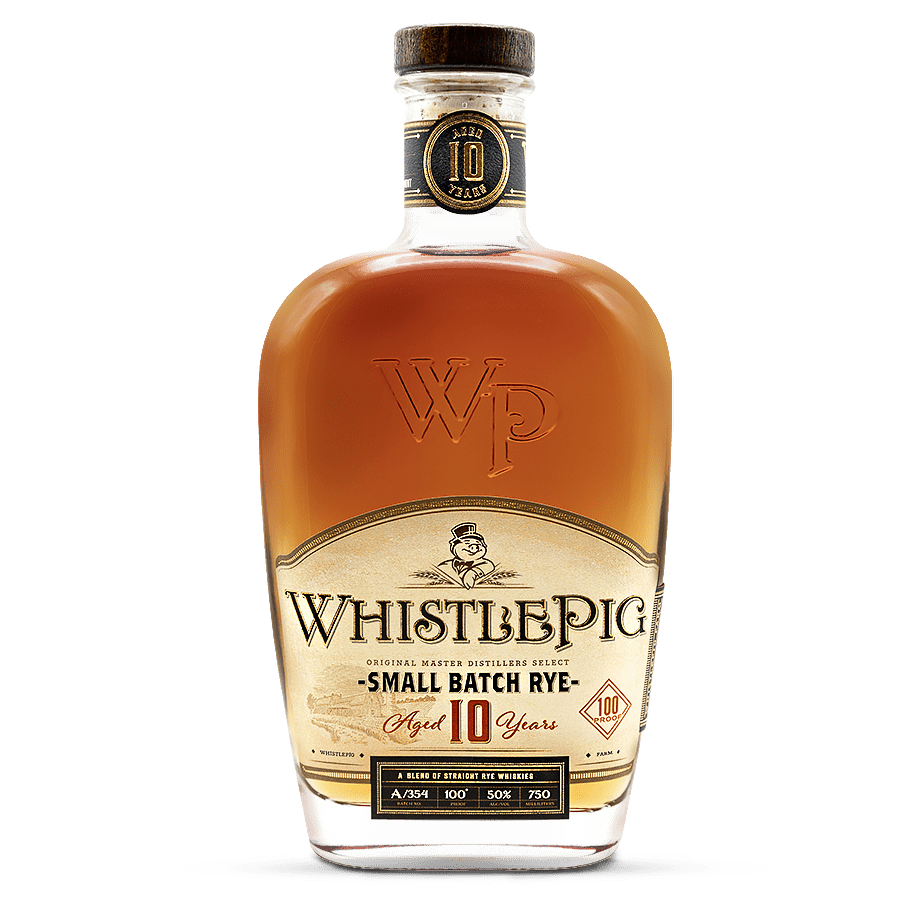
Proof indicates alcohol content, with American proof representing twice the percentage by volume (100 proof equals 50% ABV). Standard bottling strength ranges from 80 to 90 proof, balancing approachability with flavor intensity. Barrel-proof or cask-strength releases bottle whiskey at its natural strength after aging, typically between 100 and 130 proof, without dilution. Higher proof carries more intense flavors and allows drinkers to adjust strength with water to personal preference. Bonded whiskey adheres to strict federal standards: single-season distillation at one distillery, aged at least four years in a bonded warehouse, and bottled at exactly 100 proof.
Age statements on labels indicate the youngest whiskey in the bottle—blends may contain older components, but only the minimum age appears if an age is stated at all. Longer aging doesn't automatically mean better quality; climate, barrel quality, and warehouse conditions matter as much as time. Non-age-stated (NAS) releases blend various ages to achieve specific flavor profiles without committing to a minimum age declaration. Single barrel releases come from one specific barrel, showing individual variation between barrels. Small batch typically indicates whiskey from a limited number of barrels blended together, though no legal definition standardizes this term. Reading labels carefully helps identify production methods, age, proof, and regional origin, all of which predict flavor profile more reliably than marketing language.
Styles and Flavor Profiles
Bourbon delivers sweet, rich flavors with vanilla, caramel, oak, and baking spice notes from new charred American oak barrels. High-corn mash bills emphasize sweetness, while higher rye content adds peppery complexity. Rye whiskey presents drier, spicier profiles with black pepper, cinnamon, mint, and herbal notes, complemented by wood tannins. Tennessee whiskey follows bourbon production rules but adds a charcoal filtering step called the Lincoln County Process, which some producers claim creates mellower character.
Scotch whisky divides into several style categories: single malt (from one distillery using only malted barley), blended malt (malts from multiple distilleries), single grain (from one distillery using other grains), and blended Scotch (combining malt and grain whiskies). Regional character varies from the maritime, briny, and heavily peated expressions of Islay to the lighter, fruity Speyside style and the honeyed, heathery character of Highland malts. Irish whiskey typically shows lighter, fruitier, more floral notes with smooth texture from triple distillation. Japanese whisky often emphasizes delicate balance, precise blending, and subtle complexity with tea-like or incense notes. Canadian whiskey traditionally features rye grain character blended with neutral grain spirits, creating approachable, mixable expressions. American single malt, an emerging category, uses 100% malted barley aged in various barrel types, combining Scottish raw materials with American maturation approaches.
Buying Guidance and Evaluation
When evaluating whiskey, start by identifying regional style and production method from the label. Check proof to gauge intensity—higher-proof expressions offer more concentrated flavors and better value per unit of alcohol, but require dilution for some palates. Age statements indicate minimum maturation time but don't guarantee quality; well-crafted younger releases often outperform poorly stored older ones. Look for specific details like mash bill composition, barrel type, and distillery information rather than generic quality claims.
For everyday drinking and cocktails, consider standard-proof expressions that balance quality with practical pricing. Barrel-proof releases suit experienced drinkers who want maximum flavor intensity and the option to customize strength. Single barrel offerings provide unique character with bottle-to-bottle variation—understand that even excellent distilleries produce barrels with different profiles. Small batch releases fall between single barrel and large-scale production, often representing a distillery's quality focus without extreme variation. Store bottles upright in a cool, dark place away from temperature fluctuations. Once opened, whiskey remains stable for years, though very old or very high-proof bottles may gradually oxidize. Developing your palate takes time and comparative tasting—try expressions from different regions and production methods to understand how grain, distillation, and maturation shape flavor.