Reposado Tequila
Reposado means “rested” in Spanish. Reposado tequila is aged in oak for two to twelve months, which gives it a smoother, rounder taste than blanco, with notes of vanilla, caramel and cooked agave. Shop the most-searched reposados and small-batch bottles below.
Best Reposado Tequila
Our picks from the reposados people search for most, for sipping, cocktails and everyday drinking. Prices run from $19.99 to $165.99.
-
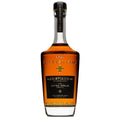
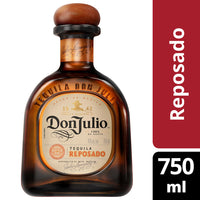
Most popular Don Julio Reposado $39.99
Eight months in American white oak. Citrus, dark chocolate and cinnamon.
100% Agave Reposado
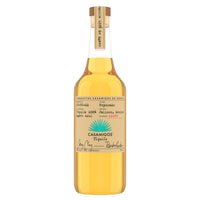
Tequila labeled “100% de agave” is made only from blue Weber agave. Without it, tequila is a mixto and can be up to 49% other sugars. Casamigos$45.99, Corralejo$24.99, Teremana$28.99, 1800$27.99 and Jose Cuervo Tradicional$19.99 all state their reposados are 100% agave.
About Reposado Tequila
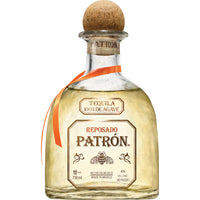
Reposado sits between unaged blanco and long-aged añejo. Most rest in ex-bourbon American oak, though some producers use French oak, wine or cognac casks. A short rest keeps the agave bright for margaritas; a longer one, close to twelve months, gives more vanilla and caramel for sipping. Popular bottles include Don Julio, Casamigos, Patrón, Espolòn, Corralejo and Herradura.
Read the full reposado guide
Production and Barrel Aging
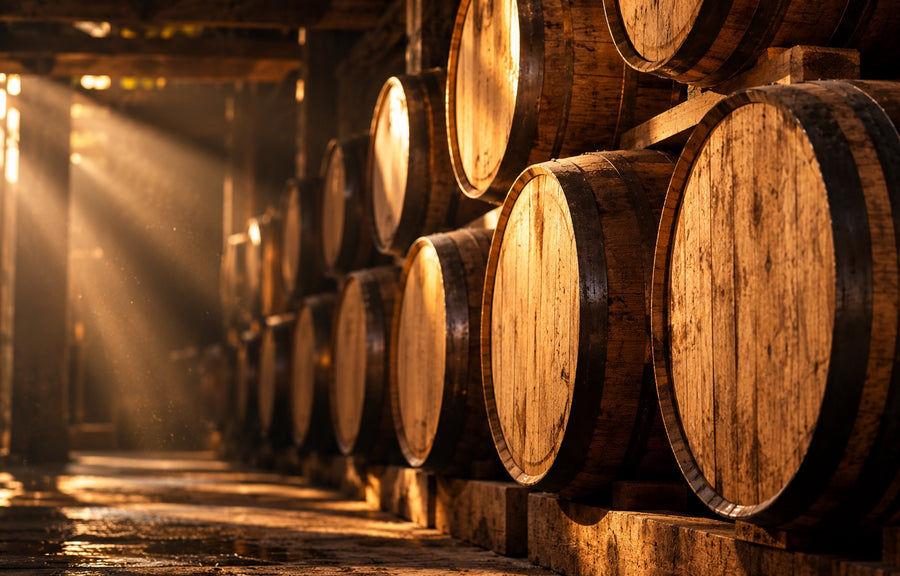
Reposado production begins identically to blanco: blue Weber agave hearts are slow-roasted, crushed, fermented, and distilled twice in either copper pot stills or stainless column stills. The defining step occurs after distillation, when the clear spirit enters oak barrels for its resting period. Most producers use ex-bourbon barrels sourced from Kentucky and Tennessee, though some employ French oak, cognac casks, or new American oak for specific flavor profiles. The wide legal aging window—two to twelve months—gives distillers significant latitude in house style. A reposado rested two months will retain much of blanco's grassy brightness, while one aged eleven months approaches the richness of a young añejo.
Barrel size also shapes the final character. Smaller barrels accelerate wood extraction due to higher surface-area-to-volume ratios, intensifying vanilla and tannin notes in shorter timeframes. Larger barrels, including traditional pipones holding thousands of liters, slow the interaction and yield subtler integration. Climate plays a role as well: barrels stored in Jalisco's highland regions (Los Altos) experience cooler nights and slower evaporation compared to lowland warehouses near Tequila town, where heat accelerates the angel's share and concentrates sugars. These variables mean two reposados aged the same number of months can differ markedly in color, viscosity, and flavor depth.
Flavor Profile and Sensory Range
Reposado tequila typically presents a pale gold to light amber hue, though color intensity varies with barrel char, age, and whether caramel coloring is added (permitted under Mexican regulations). On the nose, expect cooked agave—honeyed, slightly peppery—layered with vanilla, cinnamon, and light butter or toffee notes from the oak. Some expressions show dried fruit, citrus peel, or herbal undertones depending on whether the agave came from highland or lowland terroir. Highland agave tends toward floral and fruit-forward profiles; lowland agave skews earthy and mineral.
The palate balances sweetness and spice. Agave sugars remain prominent, often described as caramelized or roasted, while oak tannins add structure and a faint drying quality on the finish. Mid-palate weight increases compared to blanco, with a rounder mouthfeel from barrel-derived fatty acids and glycerol. Heat from alcohol is softened by aging, making reposado more approachable neat than unaged expressions. Finish length ranges from medium to moderately long, with lingering notes of baking spice, vanilla, and a faint vegetal echo. Producers aiming for cocktail-friendly profiles often emphasize agave brightness; those targeting sipping applications lean into oak richness.
Comparing Reposado to Other Tequila Categories
Reposado sits between blanco and añejo in aging, price, and flavor complexity. Blanco tequila, bottled immediately or within two months of distillation, showcases pure agave character—bright, grassy, sometimes herbaceous—with no wood influence. Blanco works best in citrus-forward cocktails where agave needs to cut through mixers. Reposado introduces oak gradually, making it versatile enough for both mixing and sipping without overwhelming the base spirit's identity.
Añejo tequila requires one to three years in oak, yielding darker color, pronounced vanilla and caramel, and a smoother, more viscous texture. Extra añejo, aged beyond three years, approaches the profile of aged whiskey or cognac, with deep oxidation, dried fruit, and sometimes leathery or tobacco notes. Reposado appeals to drinkers who want oak presence without sacrificing agave's defining sweetness. Cristalino expressions—añejo or extra añejo filtered to remove color—reverse this equation, offering wood complexity in a clear spirit, though the filtration process can strip some texture and flavor.
Terroir and Regional Distinctions
Mexican law restricts tequila production to five states, with Jalisco accounting for the vast majority. Within Jalisco, two regions dominate: Los Altos (the highlands) and the Tequila valley (lowlands surrounding the town of Tequila). Highland agave grows in red volcanic soil at elevations above 1,500 meters, producing larger, sweeter piñas with pronounced floral and citrus characteristics. Lowland agave thrives in darker, mineral-rich soil at lower altitudes, yielding smaller hearts with earthier, more herbaceous flavors. These terroir differences persist through fermentation, distillation, and aging, though barrel influence can mute or amplify them depending on house style.
Some producers source agave from both regions and blend the resulting spirits to balance highland fruitiness with lowland structure. Others maintain single-estate or single-region bottlings to highlight terroir. When evaluating reposado, consider whether the label specifies highlands or lowlands: highland expressions often suit drinkers who prefer sweeter, more aromatic profiles, while lowland bottlings appeal to those seeking earthy complexity and mineral backbone. A handful of distilleries in Guanajuato, Michoacán, and Tamaulipas also produce tequila, though their output remains small and less widely distributed.
Selecting and Evaluating Reposado Tequila
When choosing a reposado, first decide whether the bottle will serve primarily in cocktails or be consumed neat. Cocktail-focused reposados benefit from assertive agave character that holds up to citrus, sweeteners, and ice dilution. Look for expressions aged closer to the two-month minimum, which retain blanco's brightness while adding enough wood to deepen the base. Sipping reposados, by contrast, reward longer aging—six to twelve months—where oak integration smooths rough edges and develops layered complexity.
Label details offer clues to quality and style. "100% agave" is non-negotiable; mixto tequilas (which contain up to 49% non-agave sugars) lack the depth and authenticity of pure agave spirits. Some labels specify barrel type: ex-bourbon is standard, but French oak or new American oak signals intentional flavor design. Age statements beyond the legal minimum—"aged eight months," for example—indicate a producer confident in their barrel program. Avoid bottles listing artificial flavors or excessive additives; while caramel coloring is permitted, the best reposados derive color naturally from wood. Finally, consider the distillery's reputation: established names often deliver consistency, while smaller producers may offer distinctive terroir-driven profiles at comparable price points.
More Reposado People Search For
- Don Julio Private Cask Reposado
- Espolon Flor de Oro Reposado Tequila
- Patron El Alto Reposado
- Patron Tequila Ahumado Reposado
- Casamigos Reposado
- Codigo 1530 Kevin O’ Leary Rosa Reposado
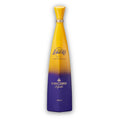
- Código 1530 ’STAGECOACH’ Reposado Tequila Limited Edition
- Maestro Dobel Reposado
- El Tesoro Reposado Single Barrel Limited Edition Tequila Hombre Barrel Select
- El Tesoro Tequila Resposado Mundial Collection
- Corralejo Tequila Reposado
- Pantalones Reposado
- Don Ramon Punta Diamante Reposado Tequila
- Teremana Reposado small batch
- Teremana Reposado
Frequently Asked Questions
What does reposado tequila mean?
The meaning of reposado is “rested” in Spanish. On a tequila label it means the tequila rested in oak barrels for at least two months and less than a year before bottling.
What is the best reposado tequila?
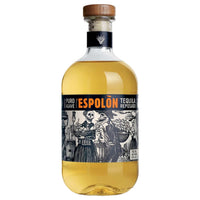
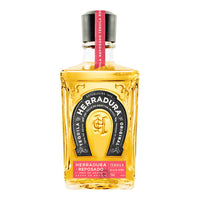
It depends on how you drink it. Don Julio is the most searched; Herradura, rested 11 months, is a favorite for sipping; Espolòn is made for cocktails and margaritas.
How long is reposado tequila aged?
Two months to just under a year. Tequila Ocho rests 8 weeks, the legal minimum; Herradura rests 11 months; Casa Noble rests 364 days.
What’s the cheapest reposado tequila, and how much does reposado cost?
Most reposados we carry cost $20 to $60. Jose Cuervo Tradicional ($19.99) and Cazadores ($21.99) are the lowest-priced; Clase Azul ($165.99) is at the top.
What’s the difference between reposado and añejo tequila?
Time in the barrel. Añejo ages at least one year in barrels of 600 liters or less, so it’s darker and tastes more of oak, toffee and dried fruit. Reposado keeps more fresh agave and is easier to mix.
Is all reposado tequila 100% agave?
No. Look for “100% de agave” on the label. Tequila without it, called mixto, must be at least 51% agave. Casamigos, Corralejo, Teremana, 1800 and Jose Cuervo Tradicional state their reposados are 100% agave.
Is reposado tequila good for margaritas?
Yes. It makes a rounder margarita than blanco. Espolòn and Cazadores are good, affordable choices.
What are the most popular reposado tequila brands?
By search volume: Don Julio, Casamigos, Patrón, Espolòn, Corralejo, Teremana, Herradura and 1800.