

WhistlePig
WhistlePig emerged in 2008 on a Vermont farm with a singular focus: crafting rye whiskey that would challenge American and international conventions. Founded by Raj Bhakta on a former dairy farm in Shoreham, the distillery initially sourced mature Canadian whiskey while building its own distillation and aging infrastructure. The brand built its reputation on high-proof, long-aged rye expressions that stood apart from the grain's historical role as a supporting player in American whiskey.
WhistlePig's approach combines traditional rye production with experimental finishing techniques, barrel programs, and grain sourcing. The distillery transitioned from relying entirely on sourced stock to incorporating estate-grown rye and Vermont-distilled spirit into its portfolio. This Vermont operation represents one of the few American distilleries to focus almost exclusively on rye rather than bourbon whiskey, positioning itself in a category that had largely been abandoned by major producers until the craft revival of the 2000s.
WhistlePig emerged in 2008 on a Vermont farm with a singular focus: crafting rye whiskey that would challenge American and international conventions.
Read more about WhistlePig
WhistlePig emerged in 2008 on a Vermont farm with a singular focus: crafting rye whiskey that would challenge American and international conventions. Founded by Raj Bhakta on a former dairy farm in Shoreham, the distillery initially sourced mature Canadian whiskey while building its own distillation and aging infrastructure. The brand built its reputation on high-proof, long-aged rye expressions that stood apart from the grain's historical role as a supporting player in American whiskey.
WhistlePig's approach combines traditional rye production with experimental finishing techniques, barrel programs, and grain sourcing. The distillery transitioned from relying entirely on sourced stock to incorporating estate-grown rye and Vermont-distilled spirit into its portfolio. This Vermont operation represents one of the few American distilleries to focus almost exclusively on rye rather than bourbon whiskey, positioning itself in a category that had largely been abandoned by major producers until the craft revival of the 2000s.




Origins and Evolution of WhistlePig Distillery
WhistlePig was established in 2008 when Raj Bhakta, a former reality television personality and entrepreneur, purchased a 500-acre farm in Vermont's Champlain Valley. The distillery's founding coincided with a broader resurgence in American rye production after decades of category dormancy. Unlike most craft distilleries that begin with young spirit and gradually build aged inventory, WhistlePig launched with 10-year-old rye sourced from Alberta Distillers in Canada, allowing the brand to enter the market with mature stock.
Master Distiller Dave Pickerell, a spirits industry veteran who had previously worked at Maker's Mark, served as the distillery's chief blender and public face during its formative years until his death in 2018. Under his guidance, WhistlePig developed a reputation for high-proof bottlings and innovative cask finishing programs that drew from techniques more commonly associated with Scotch whisky production. The distillery began producing its own spirit in 2015, working toward the long-term goal of transitioning to entirely estate-grown and Vermont-distilled rye.
The farm itself plays a central role in the distillery's identity and production philosophy. WhistlePig grows several rye varieties on its Vermont acreage, experimenting with grain genetics and agricultural practices suited to the region's climate. This farm-to-bottle approach distinguishes the operation from most American whiskey producers, who source grain from commodity markets rather than cultivating their own.
Rye Whiskey Production and Mash Bill Composition
WhistlePig's core expressions feature 100% rye mash bills, a composition that differs from the traditional American rye whiskey standard of at least 51% rye grain. This all-rye approach creates a spirit profile dominated by the grain's characteristic spice, herbal notes, and dry finish, without the sweetness that corn or wheat additions provide. The distillery sources both Canadian whiskey stock and distills its own spirit, with transparency about sourcing varying across different expressions in the permanent lineup.
Canadian rye whisky production follows different regulatory standards than American rye, often resulting in a smoother, less aggressive flavor profile despite the 100% rye composition. This Canadian-distilled stock forms the foundation of several core expressions, aged in new American oak barrels and often finished in various wine, port, or other spirit casks. The Vermont-distilled component utilizes traditional pot still and column still methods, with distillate aged in the farm's rickhouses that experience New England's dramatic seasonal temperature swings.
The distillery's production process emphasizes experimental finishing regimens that layer additional complexity onto the base rye spirit. These finishing programs may involve casks previously used for Vermont maple syrup, various wine styles, rum, or other spirits, creating flavor combinations that push beyond traditional rye whiskey parameters. This approach reflects a philosophy more common in Scotch whisky production, where cask finishing has become standard practice, applied to a grain category with distinctly different base characteristics.
Understanding WhistlePig's Range Structure
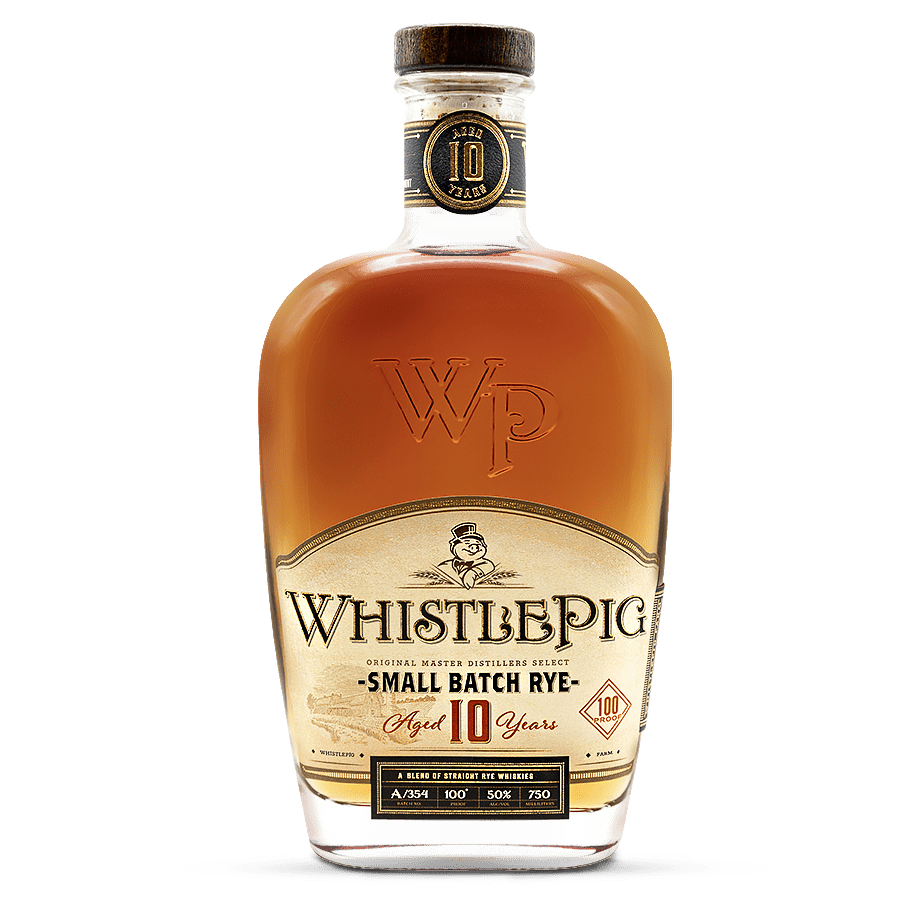
WhistlePig organizes its permanent portfolio around several core lines that represent different age statements, proof points, and finishing techniques. The flagship expression carries a 10-year age statement and typically ranges between 86 and 100 proof depending on the specific bottling. Higher-proof expressions push into the 110-120 proof range, offering a more intense experience that appeals to enthusiasts seeking bold rye character without dilution.
The distillery releases both standard bottlings that appear consistently year after year and special releases tied to specific barrel programs, collaborations, or experimental techniques. Understanding the difference between these categories helps buyers identify which expressions represent the distillery's core identity versus limited explorations. Age statements in the permanent range typically fall between 10 and 15 years, though some special releases feature younger Vermont-distilled stock as that inventory matures.
Finishing designations on labels indicate the type of cask used for the final maturation period after initial aging in new American oak. These finishing casks impart additional layers of flavor—fruit notes from wine casks, oxidative character from sherry, sweetness from port, or tropical elements from rum barrels. The length of finishing varies from a few months to over a year, with longer finishing periods creating more pronounced influence from the secondary cask. Readers comparing expressions should note both the base age statement and the finishing specification to understand the full maturation profile.
Evaluating and Selecting Rye Whiskey
When evaluating any rye whiskey including WhistlePig's range, proof level significantly impacts the drinking experience. Lower-proof expressions around 86-90 proof offer more approachable sipping with less alcohol heat, making them suitable for drinkers newer to the category or those who prefer neat consumption without water addition. Higher-proof bottlings above 100 proof deliver more intense flavor concentration and aromatics but may require dilution to reach an optimal balance point for individual palates.
Age statements provide useful information about maturation time but don't automatically correlate with quality preference. Longer aging typically produces deeper oak influence, more integration of flavors, and sometimes a drier finish as wood tannins accumulate. Younger expressions may showcase more vibrant grain character and distillate personality with less oak overlay. The ideal age profile depends on whether a drinker prefers grain-forward brightness or wood-driven complexity.
Cask finishing adds another variable to consider. Wine cask finishes tend to contribute fruit and floral notes along with some tannic structure. Port and sherry finishes introduce dried fruit sweetness and oxidative characteristics. Rum or other spirit finishes can add tropical, vanilla, or caramel elements. Buyers should consider whether they want the straightforward rye spice profile or prefer these additional flavor layers. Those new to the category might start with non-finished expressions to establish a baseline understanding of rye's core characteristics before exploring finished variants.
Rye Whiskey in Context
WhistlePig operates in a rye category that has experienced dramatic revival after near-extinction in the mid-20th century. During Prohibition and the subsequent consolidation of American distilling, rye whiskey production largely disappeared from the market outside of a handful of legacy brands. The category's resurgence began in the early 2000s with craft distillers and established producers reintroducing rye expressions to capitalize on growing interest in pre-Prohibition cocktail culture and whiskey diversity beyond bourbon whiskey.
The distillery's Vermont location and farm-based identity distinguish it from Kentucky and Tennessee producers who dominate American whiskey production. This geographic separation from traditional whiskey regions allows different approaches to grain sourcing, water profiles, and aging conditions. Vermont's climate creates more dramatic temperature fluctuations than Kentucky, potentially accelerating maturation and extraction of wood compounds during warm months while limiting it during extended cold periods.
WhistlePig's emergence helped establish a premium segment within American rye, demonstrating market appetite for higher-aged, higher-proof expressions at price points above traditional category norms. This positioning influenced other distillers to explore their own rye programs and contributed to the grain's evolution from a cocktail mixer to a sipping spirit with its own collector following. The distillery's experiments with finishing and barrel programs have become increasingly common across American whiskey producers, reflecting techniques pioneered by brands willing to push beyond traditional maturation methods.