Mini Tequila Bottles
Don Julio minis are the most searched: Don Julio 1942 50 ml$16.99 or the 10 pack$147.99. For a value shot, el Jimador Silver$3.99 and Jose Cuervo Especial$2.99. 818 Blanco$4.99 and Reposado$5.99 come as singles or a 6 pack.

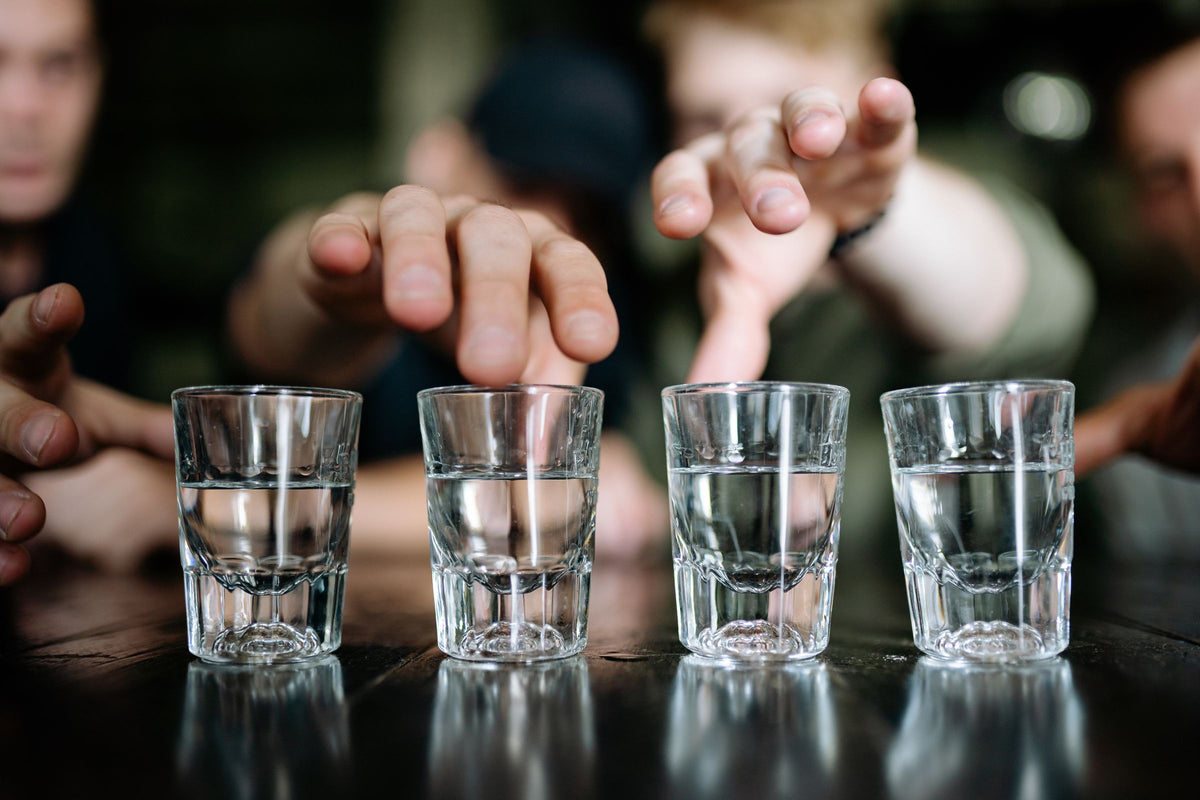
Mini liquor bottles, also called 50 ml shooters, nips or airplane bottles, hold a single 1.7 oz pour. Shop mini tequila, whiskey, vodka and gin bottles, from Don Julio 1942 and Blanton’s minis to party packs.
50 ml minis of the bottles people search for most. Try a top-shelf pour before buying the full bottle.
Ten 50 ml minis of Don Julio 1942. Party favors or gifts.
Johnnie Walker Blue Label in a 50 ml bottle.
Don Julio minis are the most searched: Don Julio 1942 50 ml$16.99 or the 10 pack$147.99. For a value shot, el Jimador Silver$3.99 and Jose Cuervo Especial$2.99. 818 Blanco$4.99 and Reposado$5.99 come as singles or a 6 pack.

Minis are the cheapest way to taste an expensive bottle: Blanton’s, Johnnie Walker Blue$17.99, or even Hennessy Paradis$104.99. For everyday pours, Buchanan’s 12$3.99, Hendrick’s Gin$4.99 and Ocean Organic Vodka$3.99. Fireball’s Party Bucket holds 20 minis.
A 50 ml mini holds one 1.7 oz pour, so it’s an easy way to try a pricey bottle, build a tasting flight, fill party favors and stockings, or take a single drink on the go. Multi-packs of 6, 10 or 20 minis cost less per bottle and make easy gifts.
The commercial production of miniature spirits bottles began in the 1930s, driven by airline demand for portable, single-serving containers. Early adopters included scotch whisky distillers, who recognized the format's potential for international sampling programs. By the mid-20th century, miniatures had become standard promotional tools at trade shows, allowing brand representatives to distribute samples without violating local distribution laws. The format proved particularly useful in markets where full-size bottles faced import restrictions or prohibitive tariffs.
Glass manufacturing improvements in the 1950s and 1960s made small-format bottles more economical to produce. Distilleries began offering multi-packs of miniatures, particularly during holiday seasons, and collectors emerged who sought rare or discontinued expressions preserved in miniature form. The standardization of 50ml as the most common miniature size occurred gradually, though 100ml and 200ml formats remain common for certain categories. Today, miniatures represent a small but consistent segment of spirits packaging, with most major producers maintaining miniature lines alongside their standard offerings.
Miniature bottles undergo the same filling and quality control processes as full-size bottles, though the smaller format introduces specific technical considerations. Filling lines must accommodate higher piece counts and faster cycle times, while maintaining precise fill levels and preventing oxidation during capping. Most distilleries use dedicated miniature filling equipment or run miniatures in batches on multi-format lines. The liquid in miniatures comes from the same batching tanks as full-size bottles, ensuring consistency across formats.
Labeling miniatures presents spatial challenges, as producers must fit required legal information—alcohol content, volume, origin, health warnings—onto surfaces measuring roughly 2 by 3 inches. Some brands use wraparound labels or multi-panel designs to accommodate all mandatory text. The closure type varies by producer and category: screw caps dominate for practical reasons, though some premium miniatures use synthetic corks or small-format crown caps. Packaging materials for miniatures have shifted toward recyclable glass and reduced plastic use, following broader industry sustainability trends.
Spirits education programs rely heavily on miniatures for comparative tastings. A student learning to distinguish bourbon mash bills, scotch whisky regions, or rum production methods can assemble a representative sample set without the cost of multiple full bottles. Miniatures allow direct comparison of the same distillery's different age statements, proof levels, or barrel finishes. This application extends beyond formal education: home enthusiasts building reference libraries often prefer miniatures for expressions they sample infrequently but want available for comparison.
Travel represents another primary use case, particularly for international trips where carrying full bottles proves impractical. Miniatures fit airline liquid restrictions and survive baggage handling better than larger formats. Gift sets often incorporate miniatures, either as standalone collections of a single brand's range or curated assortments spanning multiple categories. Wedding favors, corporate gifts, and holiday samplers commonly use miniatures for portion control and variety. Event planners specify miniatures for controlled serving environments where measuring individual pours would slow service.
When choosing miniatures for sampling purposes, verify that the liquid matches the full-size expression. Most reputable producers bottle identical liquid across formats, but some budget brands use miniatures to offload lower-quality batches or reformulated recipes. Check the label for alcohol by volume, age statements if applicable, and any batch or bottling codes that allow cross-reference with full-size bottles. For educational purposes, prioritize miniatures from established producers with consistent quality control.
Pricing for miniatures should reflect proportional value relative to full bottles, accounting for higher per-unit packaging costs. A 50ml miniature typically costs 12-15% of a 750ml bottle's retail price, with some premium expressions commanding proportionally more due to limited miniature production. Avoid miniatures priced above 20% of full-bottle cost unless rarity or collectibility justifies the premium. For gift sets, evaluate the selection's coherence—whether it offers meaningful comparison across a brand's range or represents a genuine variety of styles rather than arbitrary assortment.
Miniature bottles follow the same storage principles as full-size spirits: upright positioning to prevent cork or cap contact with high-proof liquid, stable temperature away from direct sunlight, and moderate humidity to preserve labels. The smaller liquid volume in miniatures means they contain proportionally more air after opening, potentially accelerating oxidation in spirits sensitive to oxygen exposure. Once opened, consume miniatures within the same timeframe you would a full bottle—weeks to months for most spirits, shorter for cream liqueurs or other perishable ingredients.
Unopened miniatures maintain quality indefinitely when properly stored, making them viable for long-term reference collections. Glass degradation occurs over decades, not years, and alcohol acts as a preservative for the liquid. Collectors prize vintage miniatures from closed distilleries or discontinued expressions, though the market for miniature collecting remains smaller than full-bottle collecting. For practical sampling purposes, rotate miniatures every few years to ensure labels remain legible and closures haven't degraded, particularly for bottles with plastic components that may become brittle over time.

50 ml, about 1.7 oz, a single shot.
Minis, nips, shooters, airplane bottles or 50s. They’re all the standard 50 ml size.
Yes. Don Julio 1942 comes as a 50 ml mini ($16.99) and in a 10 pack ($147.99).
Don Julio 1942 for sipping, 818 Blanco and Reposado, and el Jimador Silver or Jose Cuervo Especial for shots.
15. A 750 ml bottle holds the same as fifteen 50 ml minis.
Yes. Minis make easy stocking stuffers, party favors and tasting flights. Multi-packs like the Don Julio 1942 10 pack come ready to give.
50 ml minis, 100 ml, 200 ml (a half pint) and 375 ml (a pint, or half bottle).
By continuing, you confirm you are 21 years of age or older and agree to adult signature delivery requirements.