The Cognac Region and Its Terroir
The Cognac appellation covers roughly 75,000 hectares in the Charente and Charente-Maritime departments, subdivided into six crus that reflect soil composition and proximity to the Atlantic Ocean. Grande Champagne and Petite Champagne, named for their chalky limestone soils rather than any connection to the sparkling wine region, produce the most prized eaux-de-vie with the greatest aging potential. Borderies, the smallest cru, yields rounder, more floral spirits, while Fins Bois, Bons Bois, and Bois Ordinaires produce cognacs with shorter optimal aging windows and different aromatic profiles.
Ugni Blanc accounts for approximately 98% of plantings in the region, chosen for its high acidity and low alcohol content—attributes that produce poor table wine but ideal base material for distillation. The continental maritime climate, with mild winters and moderate rainfall, allows for consistent ripening without excessive sugar accumulation. Harvest typically occurs in October, with strict yield limits enforced to maintain quality standards across all production levels.
Distillation and the Charentais Still
Cognac production requires double distillation in traditional copper Charentais pot stills, a method codified by regulation and unchanged for centuries. The first distillation, or première chauffe, transforms roughly 9 liters of wine into 1 liter of brouillis at approximately 28-32% alcohol. This cloudy distillate then undergoes a second distillation, or bonne chauffe, where the distiller makes precise cuts to separate the heads, heart, and tails—only the heart, representing about 40% of the brouillis, becomes cognac.
The distillation season runs from November through March, immediately following harvest, with regulations prohibiting distillation after March 31. Each still batch takes approximately 12 hours for the first distillation and 8-12 hours for the second, with the distiller monitoring temperature and flow rates to capture the optimal aromatic compounds. The shape and size of the still, the heating method, and the reflux action all contribute to the final character, with smaller houses often operating stills that have been in continuous use for over a century.
Oak Aging and the Cellar Environment
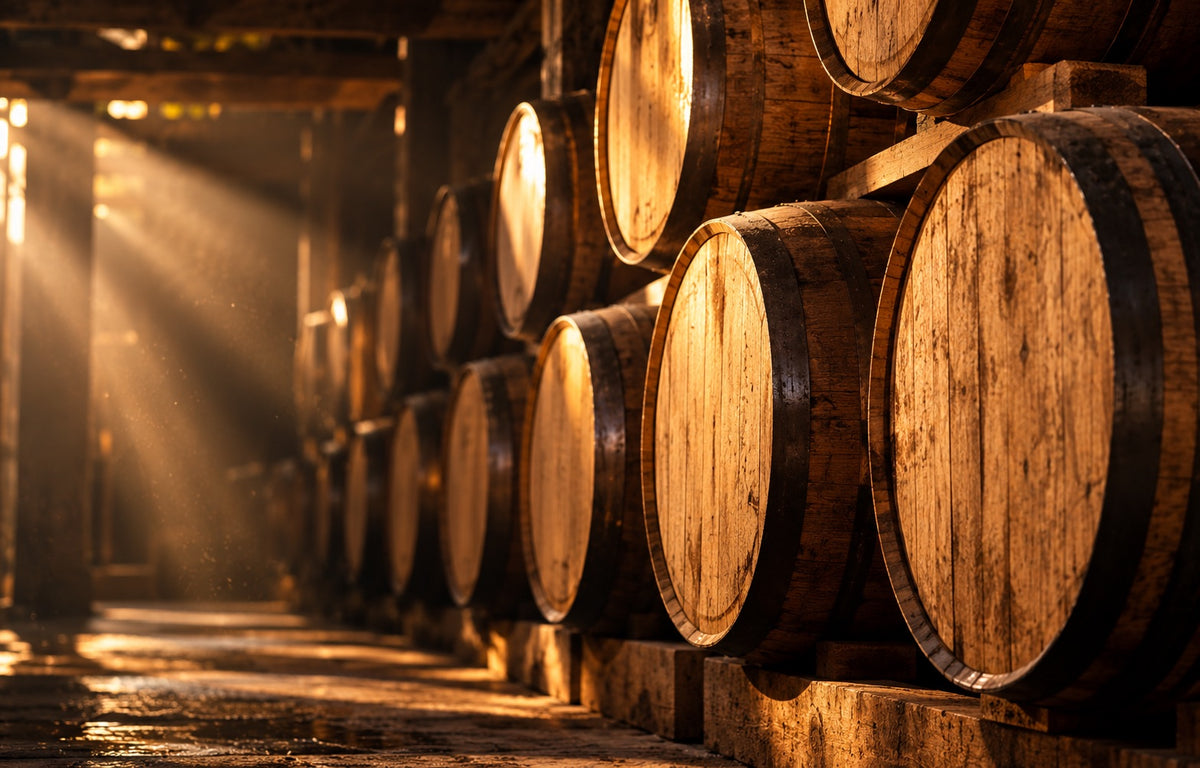
New cognac spirit, clear and harsh at approximately 70% alcohol, enters French oak barrels from the Limousin or Tronçais forests, each imparting distinct characteristics based on grain structure and tannin composition. Limousin oak, with its wider grain and higher tannin content, accelerates color extraction and contributes more aggressive wood notes, while Tronçais oak offers finer grain and more subtle influence over longer aging periods. Initial aging typically occurs in new barrels for 6-12 months before transfer to older wood to prevent over-extraction.
Cognac cellars maintain constant humidity levels around 80-90%, with the angels' share—evaporation loss—averaging 2-3% annually in the region's temperate climate. Older cognacs develop rancio, a distinctive oxidative character prized in long-aged expressions, resulting from controlled exposure to oxygen through the barrel staves over decades. Age statements reflect only the youngest component in any blend, so a VSOP designation guarantees minimum four-year aging for every eau-de-vie included, though most producers use significantly older stocks in their core range expressions.
Understanding Age Classifications
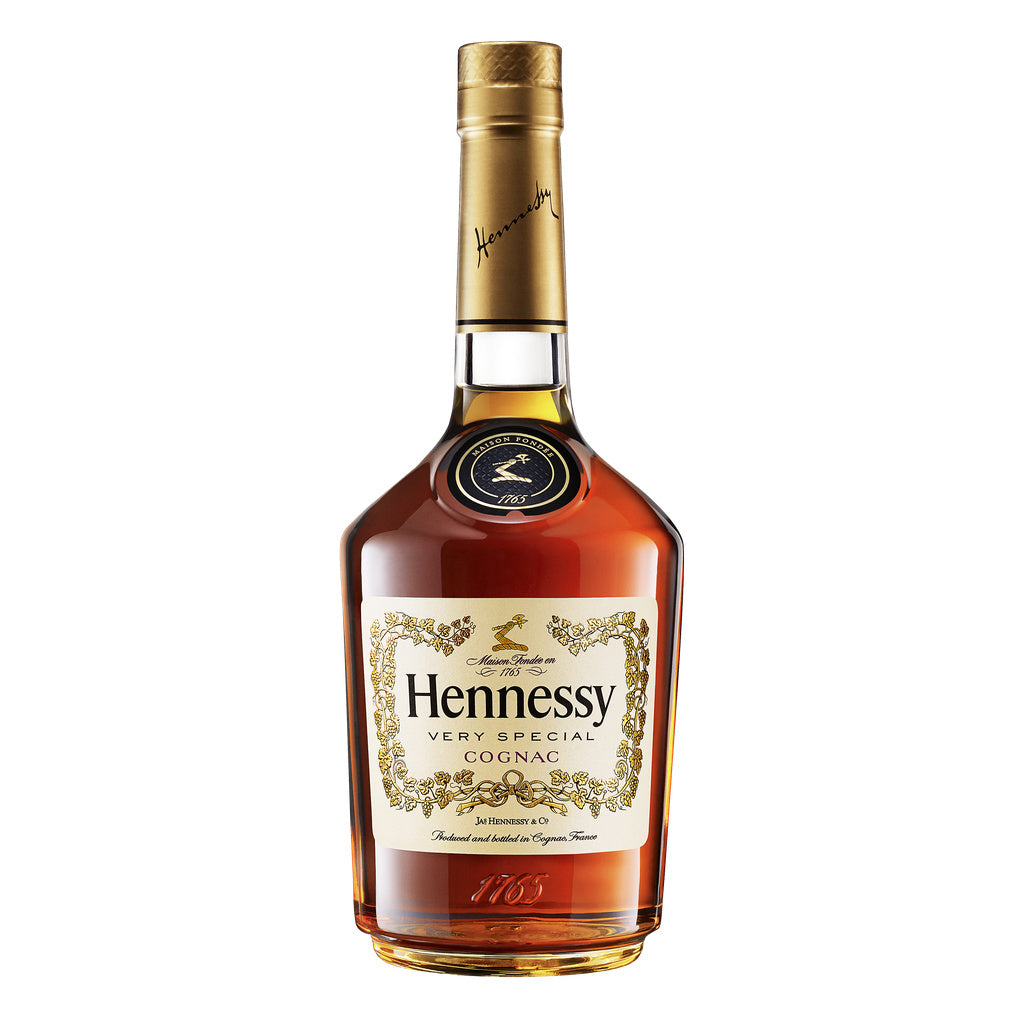
The Bureau National Interprofessionnel du Cognac enforces minimum aging requirements designated by compte numbers, with VS (Very Special) requiring compte 2 status—minimum two years in oak. VSOP (Very Superior Old Pale) demands compte 4, translating to four years minimum, while XO (Extra Old) currently requires compte 10, or ten years minimum aging, though this threshold increased from six years in 2018. Napoleon designations fall between VSOP and XO, though this term lacks official regulatory definition.
Beyond these standard classifications, producers create proprietary categories—Hors d'Age, Extra, Ancestrale—to denote blends containing significantly older eaux-de-vie, often with components aged 30, 40, or more years. Vintage cognacs, relatively rare in the market, come from a single distillation year and must remain in barrel until bottling, with the house declaring the vintage to the BNIC. Most cognac sold represents the cellar master's art in blending dozens or hundreds of different eaux-de-vie to achieve consistent house style across bottling runs.
Buying and Evaluation Considerations
When evaluating cognac, examine the label for cru designation when specified—a Grande Champagne or Petite Champagne designation, or the term "Fine Champagne" indicating a blend of the two premier crus, signals eaux-de-vie with greater aging potential and finesse. Age classification provides a quality baseline, but house style varies significantly even within the same category, with some producers emphasizing fruit-forward profiles while others showcase more pronounced oak influence or rancio character.
Bottle proof matters: cognac destined for export markets sometimes carries higher alcohol content (typically 43% rather than the 40% standard in France), which can better support the aromatic complexity in older expressions. Unlike bourbon or other spirits, cognac rarely benefits from barrel-proof or cask-strength bottling traditions, as reduction with water forms part of the traditional aging and blending process. Storage should be upright in a cool, dark location, as cognac does not continue to age or improve in glass, and prolonged exposure to light can degrade color and flavor over time.